Contact us
 Visit CPRE.org
 Donate
Hoad’s Wood clear-up is almost complete… but now what for this SSSI?
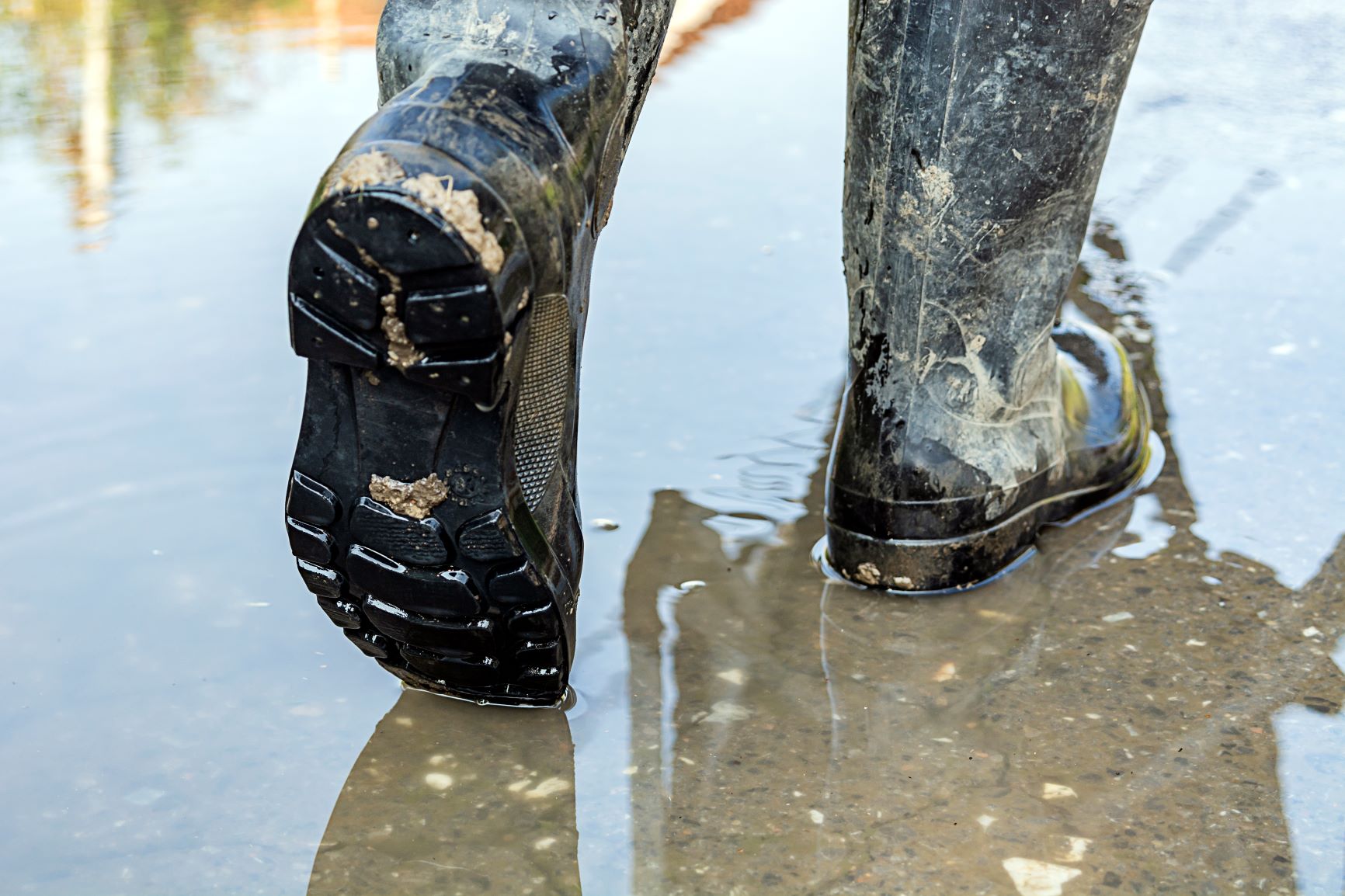
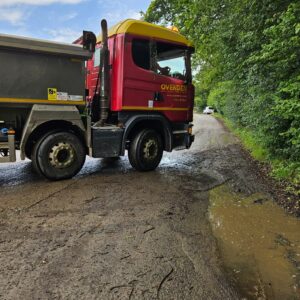
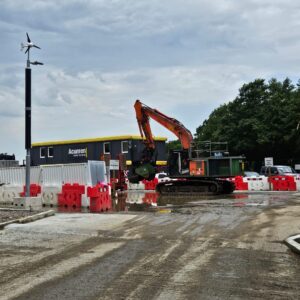
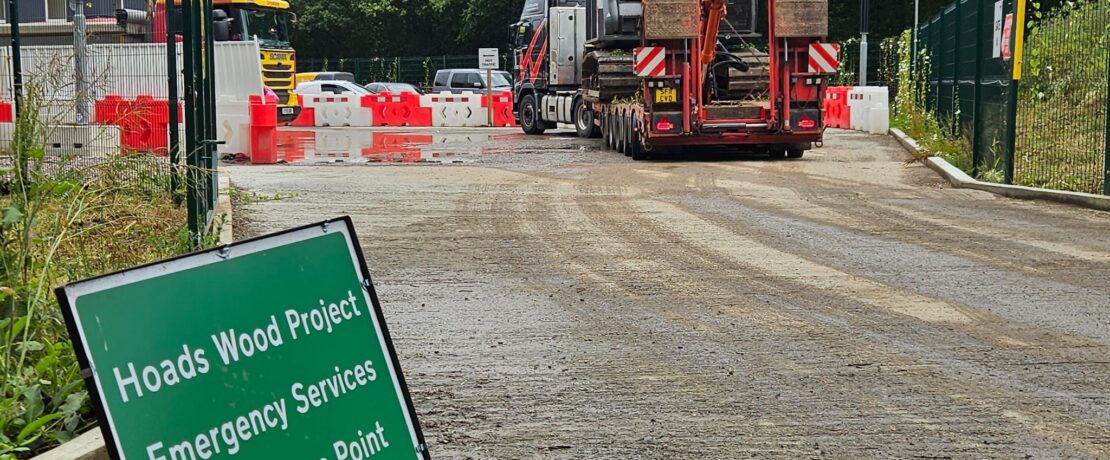
A year after the first load of waste left Hoad’s Wood for a landfill site in Essex, the clear-up of the four-acre plot within it that had been wrecked by illegal dumping is nearing completion.
It is understood that the Environment Agency has spent some £15 million on the removal of 30,000 tonnes of waste from the wood, so of course the question is: what happens next?
It is imperative that the excellent campaign led so impressively by Rescue Hoads Wood and the subsequent remedial action does not count for nothing. In contrast to what went on for so long before, what is needed now is a clear plan for the site’s restoration – properly funded and with the relevant agency or agencies taking full and effective responsibility.
CPRE Kent, who were heavily involved in the effort to highlight what happened at Hoad’s Wood, are one of the groups pushing for a satisfactory outcome, which essentially entails complete restoration of the SSSI (Site of Special Scientific Interest).
The whole point of the action was site remediation and the first stage of that was removal of the waste, orchestrated by the EA. With the end to that stage in sight, who takes responsibility from here? How much should the local community and relevant parish councils be involved? And perhaps the biggest question: should we be pushing for compulsory purchase, possibly by Natural England?
As ever with Hoad’s Wood, you might think, there are more questions than answers. Whatever happens, it is unlikely to be straightforward, not least because there are multiple owners of the woodland plots.
Equally as consistently, our friends at Rescue Hoads Wood have laid out a way forward in an open letter to the EA in which they say:
“We cannot now allow the site to become vulnerable again through hesitation or fragmented responsibility.
“A cleared woodland without decisive long-term controls will be ‘catnip’ not only to organised waste criminals but also to opportunistic fly-tippers. That must not happen.
“We are therefore calling for clear, accountable action on the following:
- Ownership and Long-Term Responsibility
Ownership should be transferred to a suitable and responsible public body, whether through compulsory purchase or other mechanism, so that statutory liability and long-term security sit clearly with the public sector. After all, repeated concerns and reports from the local community were raised over a prolonged period to public authorities which, under Section 28G of the Wildlife and Countryside Act 1981, have a duty to further the conservation and enhancement of SSSI features. Intervention ultimately came too late, and the taxpayer has now borne the very substantial financial consequences of that delay.
Alongside this, a fully planned and funded restoration and ongoing management strategy should be agreed between statutory bodies, relevant NGOs and the local community.
Ecological oversight and delivery could appropriately sit with Kent Wildlife Trust, ensuring professional restoration aligned with the site’s SSSI protections, without exposing a charity to disproportionate legal risk.
- Controlled Vehicle Access (No General Entry)
Routine and uncontrolled vehicle access is incompatible with the protection and restoration objectives of this SSSI. So there should be no routine or private vehicle access within the wood going forward.
Vehicle entry should be strictly controlled and permitted only for:
- Emergency services
- Forestry Commission / Natural England for essential statutory purposes
- Approved restoration or forestry operations under formal management arrangements
Historically, plot holders parked outside the wood and vehicle presence was rare. That precedent should be restored. Recreational motorbike use or casual vehicle access, which has continued from time to time despite previous reports from local residents, should not be permitted.
- Controlled and Hardened Access Infrastructure
- A permanently locked gate under the control of the responsible public authority
- Removable anti-ram bollards
- Earth bunding or trenching to prevent alternative entry points
- Physical narrowing of the entrance to prevent large vehicle ingress
- Permanent CCTV and Visible Deterrence
- Fixed CCTV at the entrance with clear signage
- Consideration of ANPR coverage on approach routes where feasible
- A clearly publicised reporting mechanism with a defined rapid response protocol
- Named Accountability
A published statement identifying which authority holds responsibility for site security going forward, together with confirmation of the enforcement response should further dumping occur.
“Hoad’s Wood became a national example of systemic failure. It now has the opportunity to become an example of decisive recovery, proper governance and protected restoration.
“The community has done its part. It is now for elected bodies and statutory authorities to demonstrate that lessons have been learned and that this site will not be allowed to fall back into vulnerability.
“We would be grateful for confirmation of the permanent security, ownership and management arrangements that will be put in place before remediation is formally concluded.”
- The BBC’s South East Today is due to carry a feature on the Hoad’s Wood clear-up on Tuesday (June 30) at 6.30pm. CPRE Kent director Andrea Griffiths takes part in the programme.
- For more on this story, click here